THIRDS
A rule from 1797
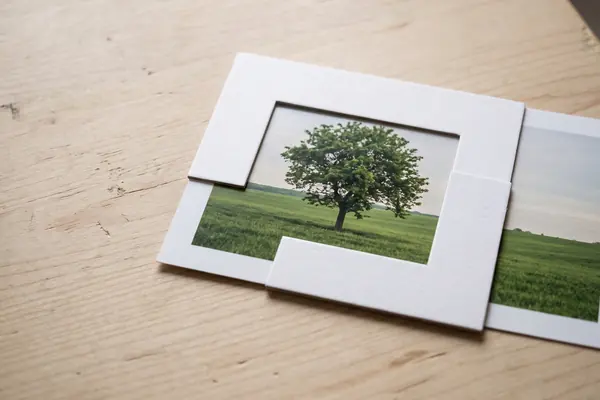
John Thomas Smith named the rule of thirds in 1797. A 2014 study found it plays only a minor role in large sets of admired photos and paintings.
Where it came from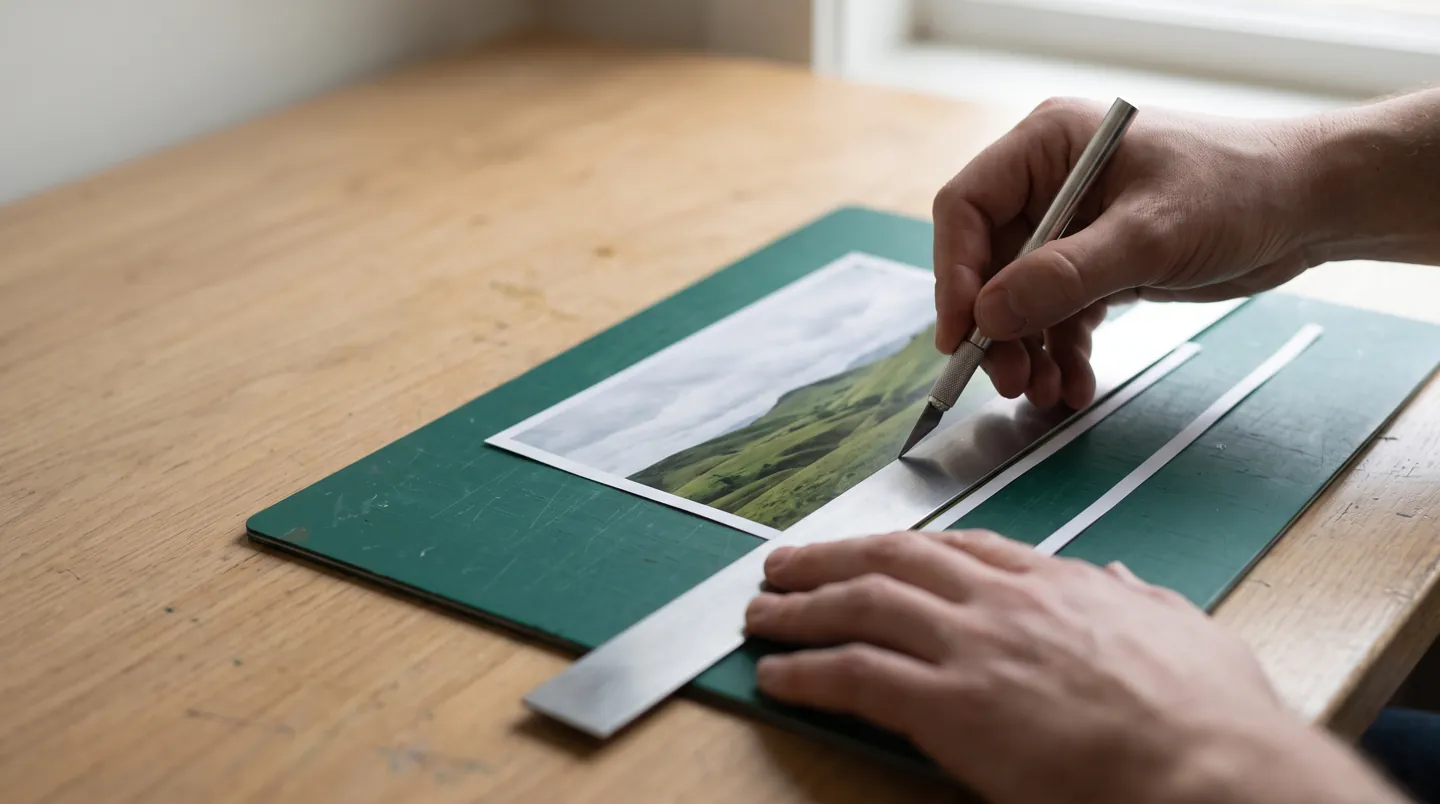
 instacrop
A PLAIN GUIDE TO CROPPING
CROP A COPY keep the original
Every crop is a choice about what stays.
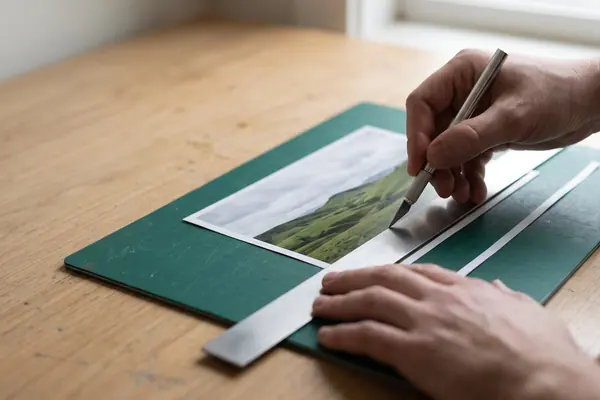
Cropping removes the outer parts of a picture to tidy the frame, change its shape or bring the subject forward. It is one of the simplest edits, but each cut throws away pixels you cannot get back.
Updated
Check a cropTHE SHORT ANSWER
A crop can tidy, reshape or zoom.
Each one costs part of the picture.
THIRDS
John Thomas Smith named the rule of thirds in 1797. A 2014 study found it plays only a minor role in large sets of admired photos and paintings.
Where it came fromSHAPES
Turning a 4:3 image into widescreen 16:9 loses 25 percent of it. Square crops and tall crops cost more or less depending on the start.
Check a cropHONESTY
AP news standards list cropping among the minor adjustments allowed, as long as the photo stays true to the scene.
How to crop wellA QUICK CROP CHECK
Start with an ordinary 4:3 photo, the shape many cameras use, and pick a new shape. The bar shows how much of the original picture area you keep.
Worked out from the aspect ratios, cutting the long or short side only as much as the new shape needs. Real crops can cut more.
TWO NUMBERS WORTH KNOWING
One figure on what a new shape throws away,
one on how often admired pictures follow the famous rule.
25%
Share of a 4:3 picture lost to fill 16:9
Making a standard 4:3 image fit a 16:9 frame by trimming top and bottom loses 25 percent of the original picture.
4:3 TO 16:9 · CROPPING
727 paintings
Paintings tested against the rule
In a large set of paintings and high-quality photos, researchers at the University of Jena found the rule of thirds seems to play only a minor role, if any.
RULE OF THIRDS · ART & PERCEPTION, 2014
The same study asked 30 people to rate photographs. Their aesthetic ratings tracked only weakly with whether a picture followed the rule of thirds.
FOUR HABITS FOR BETTER CROPS

You need no special software for any of these. The skill is in deciding what the picture is about before you cut.
Pixels you cut off are gone from that file. Work on a copy so you can try a different crop later.
Cropping is often used to remove an unwanted object or clutter at the edge of the frame.
Place the subject or horizon on a third line and compare. The rule is a starting point, not a law.
Do not crop out something that changes what happened. News standards allow cropping only when the photo stays accurate.
WHERE THE RULE CAME FROM
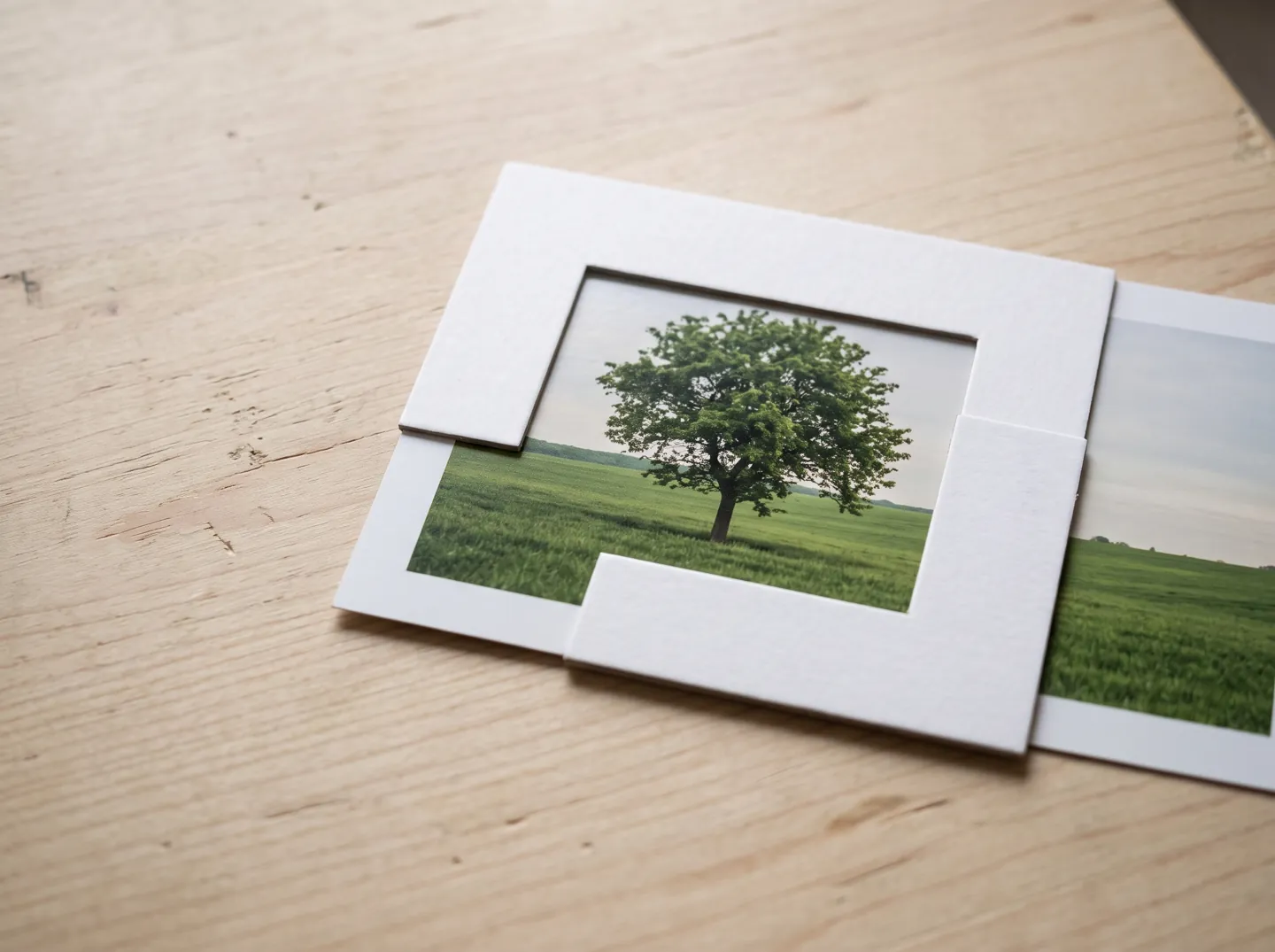
In Remarks on Rural Scenery (1797), John Thomas Smith built on a passage by Sir Joshua Reynolds about balancing light and dark, and proposed a 'rule of thirds' for dividing a landscape, such as sky at about two thirds.
Today the rule is usually described as a grid of two horizontal and two vertical lines, with important things placed on the lines or where they cross. Its main use is to stop a horizon cutting the picture neatly in half.
Questions
Cropping removes unwanted outer parts of an image, to improve the framing, change the shape (aspect ratio) or make the subject stand out from its background.
It reduces the number of pixels. A 2× digital zoom, which is a crop scaled back up, keeps only a quarter of the original pixels, so fine detail is lost if you then enlarge it.
The phrase was first written down by John Thomas Smith in 1797, in Remarks on Rural Scenery, building on ideas from Sir Joshua Reynolds.
No. A 2014 study in Art & Perception found the rule seems to play only a minor role, if any, in large sets of high-quality photographs and paintings.
AP standards count cropping as a minor adjustment, limited to what is needed for clear and accurate reproduction. A crop must not change the facts of the scene.
Sources
ABOUT THIS NAME
instacrop.com is part of the DoodleSale portfolio. It isn't in an auction right now, but you can ask about leasing it.